Progress Quest is still worth trying in 2026 if you care about idle game history, zero-player game design, or RPG satire. It is not worth playing if you want modern upgrades, active decisions, prestige systems, or a conventional sense of progression control.
Released in 2002 by Eric Fredricksen, Progress Quest is often discussed as one of the ancestors of idle games. The joke is simple and sharp: after creating a character, the game plays itself. Quests complete, stats rise, loot appears, and progress bars fill while the player watches.
What Progress Quest Is
Progress Quest is a zero-player RPG parody. It imitates the structure of MMORPG progression while removing almost all player agency after character creation.
That is the point. Progress Quest turns leveling, loot, quests, and stat growth into an automated performance. It asks whether the pleasure of RPG progression comes from meaningful choices or from watching bars fill.
Why Progress Quest Matters
Progress Quest matters because it anticipated a major question in idle games: how little input can a game require while still feeling compelling?
Modern idle games usually add upgrades, prestige, automation choices, and long-term systems. Progress Quest is more extreme. It strips the loop down until the player mostly becomes a spectator. That makes it historically important even if it is not as playable as later idle games.
What Still Works in 2026
Progress Quest still works as satire. The automated quests, absurd fantasy names, and constant progress bars still make the joke clear: RPGs can become machines for producing advancement.
It also works as a design reference. If you are interested in idle games, incremental games, or automation-heavy progression, Progress Quest is useful because it shows one endpoint of the genre: the game as pure progress display.
What Feels Dated
Progress Quest feels dated if you expect modern idle-game systems. There are no deep upgrade routes, no prestige economy, no buildcraft, no daily goals, and no meaningful optimization once the character exists.
That is not a flaw by accident. It is part of the concept. But it means Progress Quest is better as a historical curiosity than as a main idle game to play for weeks.
Who Should Play Progress Quest?
Play Progress Quest if you like idle game history, MMORPG satire, zero-player games, or design experiments.
Skip Progress Quest if you want decisions, active clicking, modern UI polish, mobile convenience, or layered incremental progression.
Progress Quest vs Modern Idle Games
Modern idle games usually turn automation into a reward. The player starts with manual progress, unlocks automation, then manages the automated system.
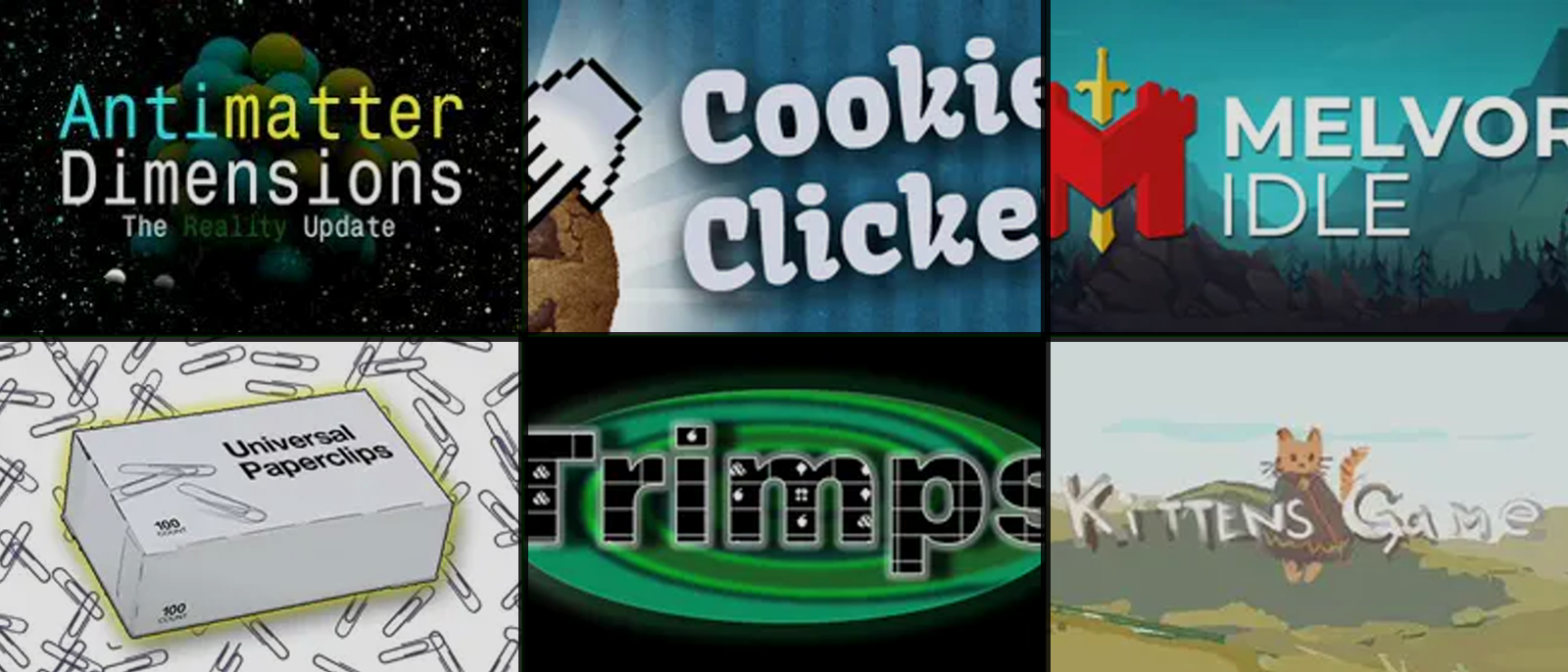
Progress Quest starts near the endpoint. Automation is not a reward; it is the entire premise. That is why games like Cookie Clicker, Antimatter Dimensions, Melvor Idle, and Trimps feel more playable today: they give players choices around the automation.
Best Alternatives to Progress Quest
If you want idle RPG depth, try Melvor Idle or NGU Idle.
If you want pure incremental systems, try Antimatter Dimensions or Synergism.
If you want a short automated story with a clearer arc, try Universal Paperclips.
If you want browser strategy and long-term idle progression, try Trimps.
Verdict
Progress Quest is worth playing once, but mostly as a museum piece. It is funny, influential, and still useful for understanding where idle games came from.
It is not the best idle game to start with in 2026. It is the game to try after you already understand the genre and want to see one of its sharpest early jokes.